Understanding the original Ford Forester 2005 wheel and tire specs is essential for maintaining your vehicle's performance and safety. Whether you're looking to replace a worn-out tire or upgrade your wheels, knowing the correct specifications ensures you make the right choice.
Why Do Original Wheel and Tire Specs Matter?
The right wheel and tire specs are crucial for several reasons. They ensure that your vehicle handles well, provides a comfortable ride, and maintains optimal fuel efficiency. Using the wrong specs can lead to poor handling, increased wear on your tires, and even safety issues.
What Are the Original Ford Forester 2005 Wheel and Tire Specs?
The original wheel and tire specs for the 2005 Ford Forester include specific sizes and types designed to fit perfectly and perform optimally. Here are the key details:
- Wheel Size: The standard wheel size for the 2005 Ford Forester is 16 inches in diameter. This size is compatible with the vehicle's suspension and braking systems.
- Tire Size: The recommended tire size is P215/70R16. This size provides a good balance of performance, comfort, and durability.
- Tire Type: All-season tires are typically used, as they offer reliable performance in a variety of weather conditions.
When and Why Would You Need These Specs?
You might need to know these specs when:
- Replacing a damaged or worn-out tire.
- Upgrading your wheels or tires for better performance or aesthetics.
- Checking if a set of used or aftermarket wheels and tires will fit your vehicle.
Common Mistakes to Avoid
Making the wrong choices can lead to problems. Here are some common mistakes to avoid:
- Using the Wrong Tire Size: Installing a tire that is too large or too small can affect your vehicle's handling, speedometer accuracy, and fuel efficiency.
- Ignoring Load Rating: The load rating indicates the maximum weight a tire can carry. Using a tire with a lower load rating than required can be dangerous, especially if you frequently carry heavy loads.
- Overlooking Rim Size Compatibility: Not all rim sizes are compatible with your vehicle. Using the wrong rim size can cause clearance issues and damage to your vehicle's suspension and brakes.
Useful Tips for Choosing the Right Wheels and Tires
Here are some tips to help you choose the right wheels and tires for your 2005 Ford Forester:
- Check Your Owner's Manual: Always refer to your owner's manual for the most accurate and up-to-date information on wheel and tire specs.
- Consult a Professional: If you're unsure about the right specs, consult a professional mechanic or tire specialist. They can provide expert advice and ensure you get the right fit.
- Consider Your Driving Needs: Think about your typical driving conditions and needs. For example, if you live in an area with harsh winters, you might want to consider winter tires.
Next Steps: What to Do After Identifying the Correct Specs
Once you have identified the correct wheel and tire specs, follow these steps:
- Purchase the Right Tires and Wheels: Buy the tires and wheels that match the specified sizes and types. Make sure to check the load rating and speed rating as well.
- Install the New Tires and Wheels: Have a professional install the new tires and wheels to ensure they are properly balanced and aligned.
- Check Tire Pressure Regularly: Maintain the recommended tire pressure to ensure optimal performance and longevity. You can find the recommended pressure in your owner's manual or on the tire pressure recommendations page.
By following these guidelines, you can ensure that your 2005 Ford Forester runs smoothly and safely. Remember, using the correct wheel and tire specs is not just about performance; it's also about protecting your investment and ensuring your safety on the road.
Practical Checklist:
- Verify the wheel and tire specs in your owner's manual.
- Consult a professional if you are unsure about the right specs.
- Choose tires and wheels that match the recommended sizes and types.
- Have a professional install the new tires and wheels.
- Regularly check and maintain the recommended tire pressure.
For more detailed information on the specific rim size requirements and other related topics, visit our pages on rim size requirements and factory tire dimensions and load ratings.
 Oem Tire Fitment and Rim Size for the Ford Forester
 Ford Forester Stock Tire Pressure Specifications
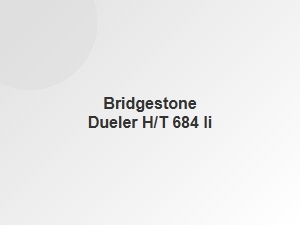 Ford Forester Oem Tire Brand and Model Information
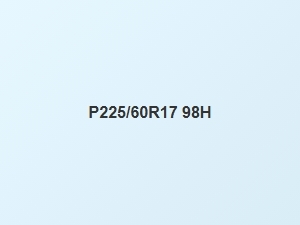 Original Subaru Forester Tire Specifications and Load Ratings
 Upgrade Your Forester with Tires for Peak Performance
 Optimizing Tire Dimensions for Rally Handling on Your Forester